

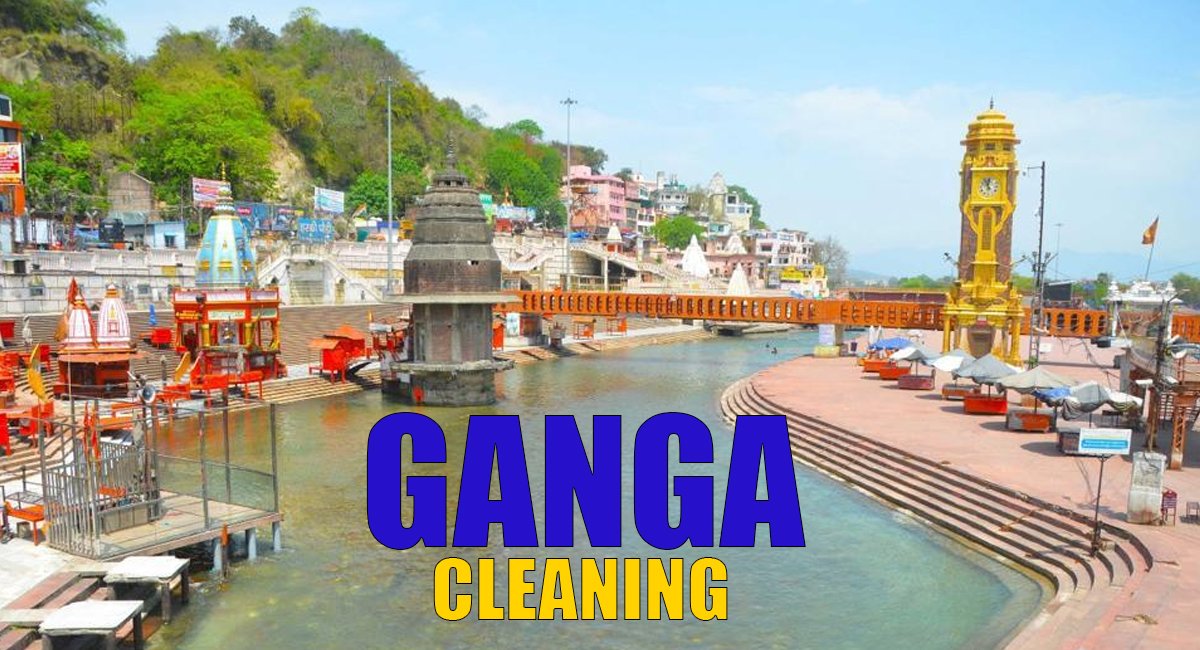
Videos showing unusually clear water in the Ganga near Haridwar have recently attracted attention on social media. The footage shows fish swimming beneath the surface and stones visible through the water, creating a striking contrast with the waste often seen around the city's ghats.
The change follows an intensive cleaning operation carried
out during the annual closure of the Upper Ganga Canal. Workers and volunteers
cleaned a 10-kilometre stretch of the river, removing large quantities of
accumulated waste from the riverbed and nearby ghats.
The Indian Express reported that around 150 metric tonnes of
waste were collected during the operation. The drive is part of Haridwar's
preparations for the Ardh Kumbh Mela 2027, scheduled from January 14 to April
20.
While the cleaning has improved the appearance of the
riverfront, it also raises a bigger question: can Haridwar prevent the same
waste from returning to the Ganga?
How Was the 10-Kilometre Ganga Stretch Cleaned?
The cleaning operation took place during the annual
maintenance closure of the Upper Ganga Canal. Every year, the canal system is
temporarily shut so that maintenance and desilting work can be carried out.
This year's closure began during the night of October 20–21,
with water returning to Har Ki Pauri at midnight on November 7. The reduced
water levels exposed parts of the riverbed, allowing workers to reach areas
that are normally difficult to clean.
The operation covered approximately 10 kilometres, from
Khadkhadi to Jwalapur, including Har Ki Pauri and neighbouring ghats.
Around 200 workers and volunteers participated in the drive.
Municipal staff, civic groups, ashram inmates and other volunteers worked to
remove plastic, discarded clothes, footwear, flowers, coconut shells and
accumulated silt.
The Indian Express reported that approximately 150 metric
tonnes of waste were collected. Separately, a PTI report quoting the district
administration said that more than 100 metric tonnes had been removed during
the 18-day closure.
The collected material was transported away from the
riverfront for disposal through the municipal system.
Why Did the Ganga Water Look So Clear?
The exposed riverbed gave cleaning teams an opportunity to
remove waste and accumulated silt from sections of the ghats. After the water
returned, videos from the area showed a visibly cleaner stretch, with fish and
stones appearing beneath the surface.
However, clear-looking water should not be confused with
clean or safe water.
The appearance of a river cannot establish whether it is
free from sewage, harmful bacteria or dissolved pollutants. That requires
scientific water-quality testing. Removing visible garbage is an important
step, but it does not address every source of river pollution.
Har Ki Pauri is one of the most visited locations along this
stretch. Visitors planning a visit can also read our Har
Ki Pauri Haridwar travel guide for information about the Ganga Aarti, the
ghat and its religious importance.
What Is Haridwar Planning for Ardh Kumbh 2027?
The Ardh Kumbh Mela will bring large numbers of pilgrims,
saints and visitors to Haridwar between January and April 2027. Har Ki Pauri
and other bathing locations are expected to see heavy footfall, making
sanitation and waste management important parts of the preparations.
One proposed measure is the installation of trash boom
interceptors at Amrapura Ghat and Jatwara Ghat.
According to a PTI report published on November 11, the
floating barriers are designed to collect solid waste such as plastic, flowers
and discarded clothes before it moves further downstream. The collected
material can then be directed towards the riverbank and removed.
Haridwar Municipal Corporation has floated a tender for the
installation, with the system expected to become operational before the Ardh
Kumbh. These barriers could help control floating waste, although they cannot
remove dissolved pollutants from the water.
For visitors planning a pilgrimage during the event, our Haridwar
travel guide covers the city's important ghats, markets, accommodation
options and travel tips.
Can Haridwar Prevent the Ganga From Getting Dirty Again?
The biggest challenge may begin after the cleaning machinery
leaves the riverbed.
The annual operation removes waste that has accumulated over
time, but the problem is not limited to one stretch or one season. Discarded
clothes, plastic bags, flowers and other religious offerings continue to put
pressure on the river.
The issue also requires regular waste collection, proper
disposal facilities and public participation. Devotees and visitors can help by
using designated collection points instead of throwing plastic, clothes or
religious offerings into the water.
The proposed trash boom interceptors may capture some
floating material, but they cannot replace better waste-disposal habits or
effective sewage management.
Haridwar's wider pilgrimage areas also need attention.
Locations such as Kankhal attract devotees throughout the year, and maintaining
cleanliness across these areas is important for the city's overall riverfront
environment. Visitors can explore our Kankhal
Haridwar travel guide to learn more about its temples, ghats and spiritual
attractions.
Haridwar has shown what an intensive cleaning drive can
achieve in 18 days. The real measure of success will be whether the city can
protect that progress throughout the year, especially when millions of people
arrive for Ardh Kumbh 2027.



Discussion & Comments (0)
No comments yet. Be the first to share your thoughts on this story!
Leave a Comment