

Imagine controlling a robotic hand just by thinking about
moving your fingers. This may sound like something from a science fiction
movie, but it is now becoming a reality.
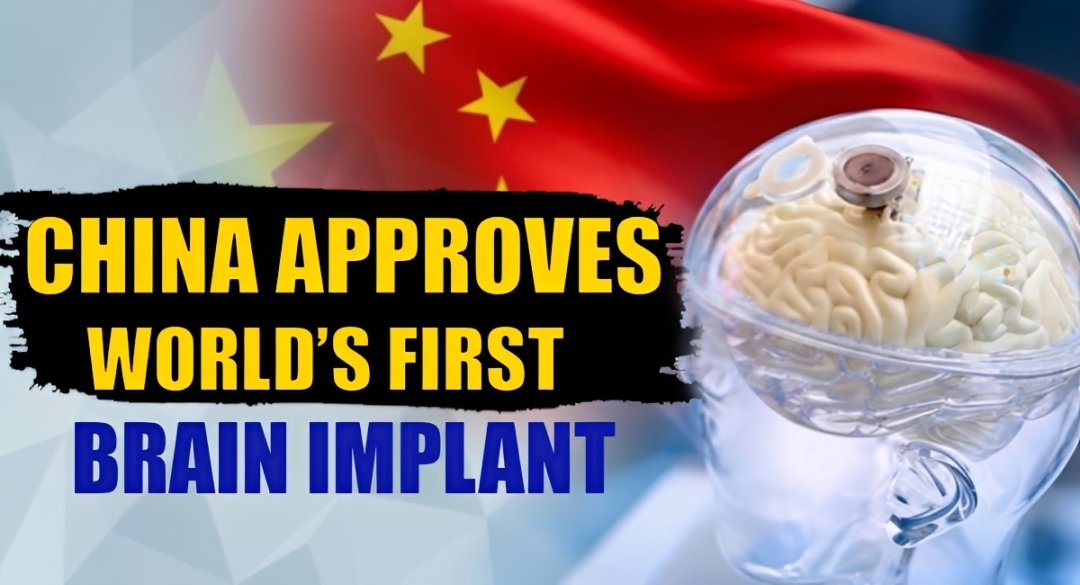
China has made a major development in medical technology. On
March 13, 2026, the country approved the world's first invasive brain-computer
interface for commercial medical use. The device is called NEO and it has been
developed by Shanghai-based Neuracle Medical Technology.
According to a Reuters
report, the device is designed to help people with certain spinal cord
injuries regain some control over their hand movements.
This technology could make everyday activities easier for
people who have lost the ability to grip objects.
What Is the NEO Brain Implant?
NEO is a small brain-computer interface device. It is
roughly the size of a coin and is designed to read signals from the human
brain.
The implant has eight electrodes that record electrical
activity from the brain. These signals are collected when a person thinks about
moving their hand.
The device then sends this information to a computer.
Special software reads the signals and converts them into commands. These
commands control a robotic glove that helps the person open and close their
hand.
According to Nature Biotechnology,
the implant is placed near the brain's movement control area. Its electrodes
sit outside the dura mater, which is the protective membrane around the brain.
This means the electrodes do not enter or directly penetrate
the brain tissue.
How Does This Technology Work?
The working process is quite interesting but easy to
understand.
A person wearing the implant first thinks about moving their
hand. The electrodes then record the electrical activity linked to that
movement.
The signals travel to a computer where special software
decodes them. After reading the signals, the system sends instructions to a
special glove.
The glove then helps the person's hand perform basic
movements. It can help them open their fingers, close their hand and hold
objects.
The technology uses a pneumatic glove, which works with air
pressure to assist hand movements.
According to the Shanghai
Government's official report, the system also uses wireless power and
communication technology.
Who Can Use the NEO Brain Implant?
The device is not approved for everyone with paralysis. It
is designed for a specific group of patients.
Adults between 18 and 60 years old may qualify if they have
certain cervical spinal cord injuries. These injuries must affect their ability
to grip objects with their hands.
Patients must also retain some upper arm movement. Their
injury should be at least one year old and their medical condition must remain
stable for at least six months after standard treatment.
These conditions are important because the technology is
designed to assist people who still have some movement in their upper arms but
cannot properly use their hands.
Is This a Cure for Paralysis?
No. The NEO brain implant is not a cure for paralysis.
It does not mean that damaged spinal nerves have been
repaired or that patients can suddenly move their hands without help. The main
purpose is to connect brain signals with an external device so that patients
can perform certain movements.
However, this technology could help people become more
independent in their daily lives. Simple activities like holding a cup or
picking up small objects may become easier with assistance.
What Makes This Approval So Important?
Brain-computer interface technology has been studied for
many years. Several companies around the world are working on devices that can
connect the human brain with computers and machines.
But getting approval for commercial medical use is a major
step for this technology.
China's approval of NEO has opened a new chapter in medical
science. It also gives hope to people living with serious spinal cord injuries.
The technology still has limitations and will need further
development. But it shows how science can find new ways to help people who have
lost important physical abilities.
For now, NEO is not a complete solution to paralysis. Still,
it is an important step towards making life easier for people who need
assistance with basic hand movements.


Discussion & Comments (0)
No comments yet. Be the first to share your thoughts on this story!
Leave a Comment