

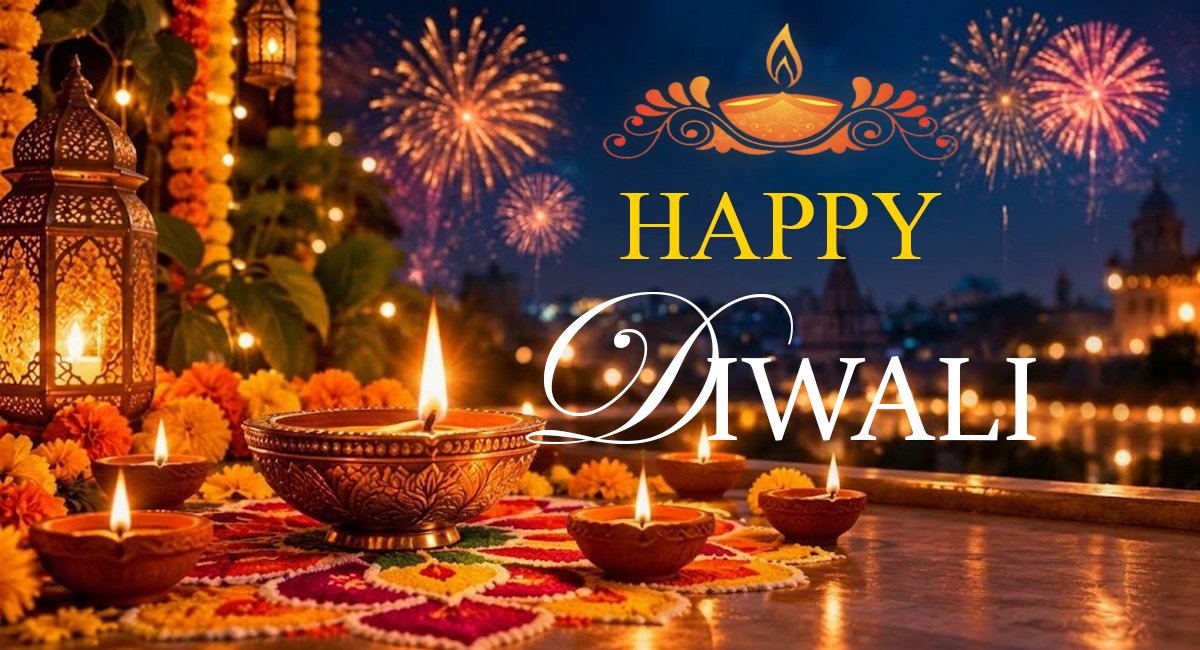
Diwali is one of the most loved festivals in India. Also known as Deepawali or Deepavali, it is called the Festivals of Lights. Every year, families celebrate this festival by lighting diyas, decorating their homes , preparing sweets , exchanging gifts and performing prayers. Diwali is not just about lights and celebrations. It also represents the victory of good over evil, light over darkness and hope over negativity. For many people, it is a time to welcome happiness, prosperity and new beginnings into their lives. Diwali is celebrated over several days, with Dhanteras, Choti Diwali , Badi Diwali , Govardhan Puja and Bhai Dooj being important parts of the festive season. However, the exact dates and customs can vary according to regional traditions and the Hindu calendar.
When Is
Diwali in 2026?
Diwali 2026will be celebrated on
Sunday , 8 November. This is the main day of Diwali, when many Hindu families
worship Goddess Lakshmi and Lord Ganesha in the evening. The date of Diwali
changes every year because the festival follows the Hindu lunar calendar.
Diwali is celebrated on Amavasya, the new moon day of the Hindu month of Kartik.
Before Diwali, people clean their homes , buy decorations and start preparing
for the festival. Markets become busy with shoppers looking for lights, sweets,
clothes, gifts and decorative items. On Diwali, homes are filled with a festive
atmosphere as people wear new clothes and spend time with their families.
When Is Choti
Diwali in 2026?
Choti Diwali, also known as Naraka
Chaturdashi, is traditionally celebrated one day before Badi Diwali. The
festival is associated with Lord Krishna’s victory over the demon Narakasura
and symbolises the triumph of good over evil. In 2026, the observance of Choti
Diwali may vary across regional calendars. Many Hindu calendars place the
pre-dawn observance of Naraka Chaturdashi on Sunday, 8 November, while Kali
Chaudas traditions in some regions are observed on Saturday, 7 November.On
Choti Diwali, people clean and decorate their homes, light diyas and complete
their preparations for Badi Diwali. Some families also follow the tradition of
waking up early and taking a ritual bath, which symbolises purification and the
removal of negativity. The way Choti Diwali is celebrated varies across India.
Naraka Chaturdashi holds special significance in South India, while in North
India, many families use the day to prepare for the main Diwali celebrations.
When Is Badi Diwali in 2026?
Badi Diwali, also known as the
main day of Diwali, will be celebrated on Sunday, 8 November 2026. It is
considered the most important day of the festival. On this occasion, homes,
shops and markets light up with festive decorations and colourful lights.On Badi
Diwali, people worship Goddess Lakshmi and Lord Ganesha. Goddess Lakshmi is
associated with wealth, prosperity and good fortune, while Lord Ganesha is
worshipped for wisdom and the removal of obstacles. In the evening, families
light diyas after performing the puja and decorate their home entrances,
balconies and windows. Making rangoli, distributing sweets, exchanging gifts
and visiting relatives are also important parts of Diwali celebrations.Many
business owners perform puja at their shops and workplaces on this day. For
them, Diwali is also an occasion to mark the beginning of a new business year
and pray for growth, prosperity and success in the future.
Diwali 2026 Lakshmi Puja Muhurat
Lakshmi Puja holds special
significance during Diwali. According to traditional beliefs, devotees seek the
blessings of Goddess Lakshmi and Lord Ganesha through this puja. Families pray
for happiness, prosperity, peace and financial stability in their homes. The
puja muhurat timings are different acccording to different cities , depending
on the local Panchang. Before the puja,families clean their worship area and
arrange idols or pictures of Goddess Lakshmi and Lord Ganesha. Flowers , diyas
, sweets , fruits and other traditional puja items are prepared in advance.
Family members then come together to perform the puja and aarti. The purpose of
Diwali puja is not limited to praying for wealth . Many families also use this
occasion to express gratitude for the past year and seek blessings for
happiness, good health, peace and success in the future.
Why Is Diwali
Celebrated?
Diwali is associated with several
religious stories and traditions. Different regions and communities celebrate
the festival for different reasons, but its common message revolves around
hope, positivity and the victory of good over evil.
Lord Shri
Ram’s Return to Ayodhya
One of the most popular stories
associated with Diwali is the return of Lord Shri Ram to Ayodhya. According to
Hindu tradition, Lord Ram completed 14 years of exile and returned to Ayodhya
with Mata Sita and Lakshman after defeating Ravana in Lanka. It is believed
that the people of Ayodhya welcomed their return by lighting diyas in their
homes and along the streets. This story is traditionally linked to the custom
of lighting lamps during Diwali. The story conveys the message that good triumphs
over evil and encourages people to follow the path of truth and righteousness.
How Do People
Decorate Their Homes for Diwali?
Home decoration plays a special
role in Diwali preparations. Many people start cleaning their homes a few days
before the festival. According to traditional beliefs, a clean and
well-maintained home symbolises the welcoming of positive energy and prosperity. Diyas are one of the most important elements of Diwali
decoration. They are placed at entrances, balconies, windows and in puja areas.
Decorative string lights, lanterns and LED lights have also become popular
choices for adding a festive touch to homes. Making rangoli is another common Diwali tradition. Some
people use coloured powders, while others create beautiful designs with flower
petals, rice or natural materials. Doorways are often decorated with fresh
flowers and torans. Living rooms and puja areas are also adorned with flowers
and lights to create a festive atmosphere. Every family decorates its home
according to its budget, personal preferences and traditions.
What Are the
Five Days of Diwali?
Diwali is commonly celebrated as a five-day festival. Each day has its own significance, rituals and traditions, bringing families together through prayers, festive preparations and celebrations.
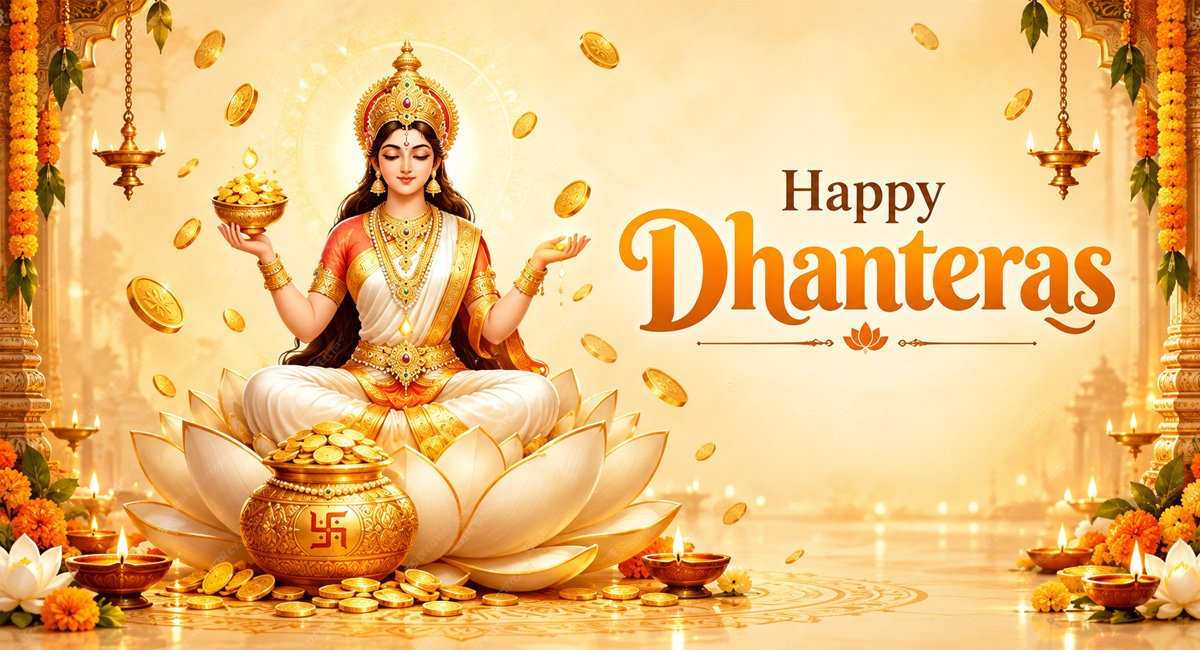
1. Dhanteras
– Friday, 6 November 2026
Dhanteras is one of the important
days that mark the beginning of Diwali festivities. People offer prayers for
wealth, good health and prosperity. Many families purchase gold, silver,
utensils or household items on this day. According to traditional beliefs, shopping
on Dhanteras is associated with good fortune. However, expensive purchases are
not necessary; every family can celebrate according to its traditions and
budget.
Dhanteras is also associated with Lord Dhanvantari,
who is traditionally linked to Ayurveda and health.
2. Choti Diwali – Regional Observances
Choti Diwali, also known as Naraka
Chaturdashi, commemorates Lord Krishna’s victory over Narakasura. In 2026, the observance of Choti Diwali-related
traditions may vary by region because of the timing of the lunar calendar. Some
regions observe Kali Chaudas traditions on 7 November, while the pre-dawn
observance of Naraka Chaturdashi falls on 8 November in many calendars.
3. Badi Diwali – Sunday, 8 November 2026
Badi Diwali is the main day of the
festival. Worshipping Goddess Lakshmi and Lord Ganesha, lighting diyas,
creating rangoli, sharing sweets and spending time with family are among the
main traditions.In West Bengal and some eastern regions of India, worshipping
Goddess Kali, known as Kali Puja, is also an important part of the celebrations
on this night.
4. Govardhan Puja – According to Regional Panchangs
Govardhan Puja is associated with
Lord Krishna and the story of Govardhan Hill. According to Hindu tradition,
Lord Krishna lifted Govardhan Hill to protect the people of Vrindavan from
heavy rainfall.On this day, devotees worship Lord Krishna, and in many places,
a variety of food items are offered as *Annakut*. In 2026, the date of Govardhan Puja
may vary across regional calendars because of the overlap in the Amavasya
timings. Checking a local Panchang is advisable to confirm the date for your
area.
5. Bhai Dooj – According to Regional Panchangs
Bhai Dooj celebrates the special
bond between brothers and sisters. On this day, sisters apply a tilak to their
brothers’ foreheads and pray for their happiness, good health and long life.
Brothers also express their love and care by giving gifts to their sisters. The
festival highlights the importance of family bonds and the relationship between
siblings.
Conclusion
Diwali is a festival that
celebrates lights , traditions , family bonding and new beginnings. From
Dhanteras and Choti Diwali to Badi Diwali, Govardhan Puja and Bhai Dooj, Each
occasion carries its own special meaning. In 2026 , the main day of Diwaliwill
be celebrated on Sunday, 8 November. Families will perform Lakshmi - Ganesh
Puja , light diyas, create rangoli designs and share happiness through sweets
and gifts. The beauty of Diwali lies in more than decorated homes and glowing
lights. Its true value is found in the moments when families come together,
strengthen their relationships and share happiness with others. Whether you
celebrate with grand decorations or simply light a few diyas at home, the
message of the festival remains the same : welcome positivity, spread kindness
and embrace new beginnings with hope.


Discussion & Comments (0)
No comments yet. Be the first to share your thoughts on this story!
Leave a Comment