

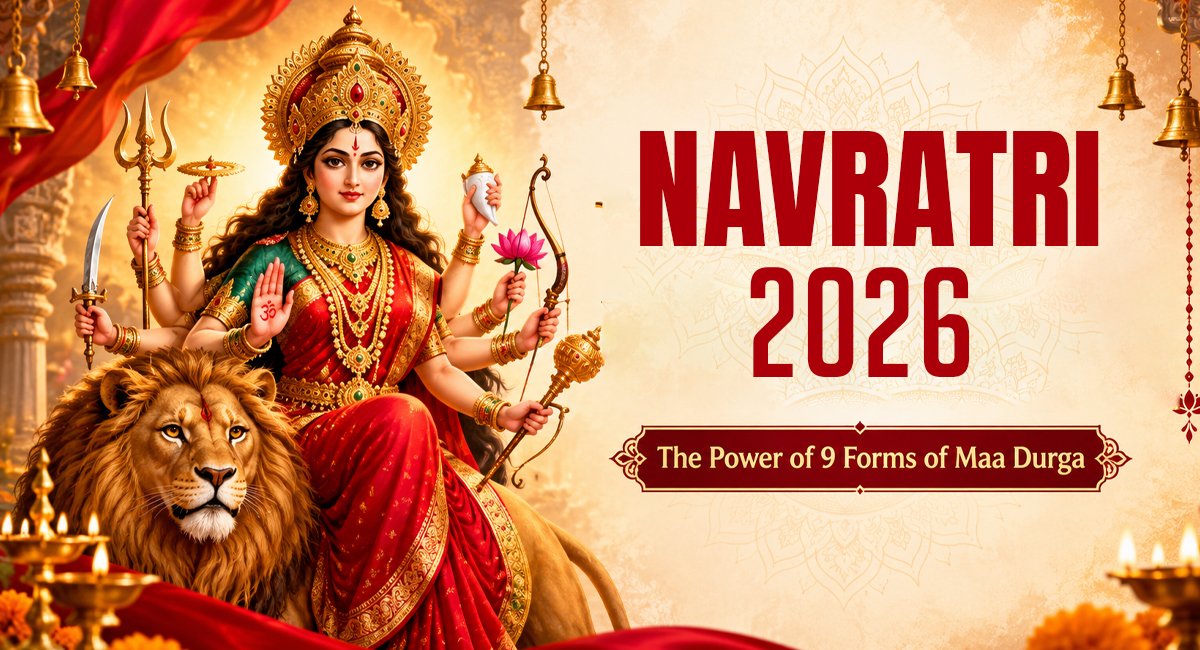
Navratri is one of the most important and spiritually significant festivals in
India. The festival is dedicated to the divine power of Goddess Durga and her
various forms. The word “Navratri” means nine nights, during which devotees
spend their time worshipping Goddess Durga, observing fasts, and expressing
their devotion.
Navratri is
celebrated with different traditions across various parts of India. In some
places, Garba and Dandiya nights are the major attractions, while in others,
devotees seek the blessings of Goddess Durga through Mata Ki Chowki, jagrans,
and Kanya Pujan.
What Does Navratri Mean?
Navratri is not just a festival;
it is a celebration of *strength, faith, and positivity*. During these nine days, devotees worship the nine different
forms of Goddess Durga, collectively known as the *Navdurga*.Each form of Goddess Durga represents a different quality and
power. Devotees believe that worshipping Maa Durga during these nine days
brings positivity and protection from negative energies.
Navratri 2026 Dates
**Navratri 2026 will begin on October 11 and end on October 19.** During these nine days, devotees will worship the nine forms of Goddess Durga. **Ashtami will fall on the same day, October 19.** The next day, **October 20, will be celebrated as Dussehra or Vijayadashami** and Navami, which marks the victory of good over evil and the end of the festive celebrations.
9 Forms of Goddess Durga
On each day of Navratri, devotees
worship a different form of Goddess Durga:
1. **Maa
Shailputri** – Maa Shailputri is worshipped
on the first day of Navratri.
2. **Maa Brahmacharini**
– This form represents patience, devotion, and determination.
3. **Maa Chandraghanta**
– Maa Chandraghanta is a symbol of courage and protection.
4. **Maa Kushmanda** –
She is associated with creation and positive energy.
5. **Maa Skandamata** –
Maa Skandamata is a symbol of motherhood and compassion.
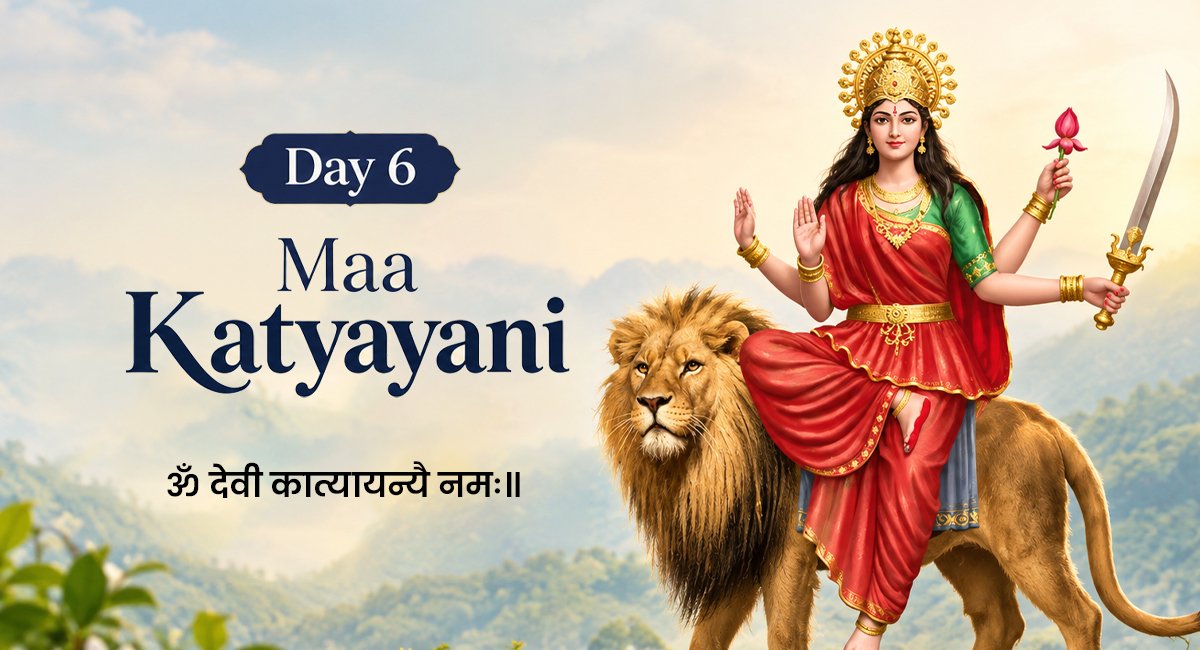
6. **Maa Katyayani** –
Maa Katyayani represents strength and courage.
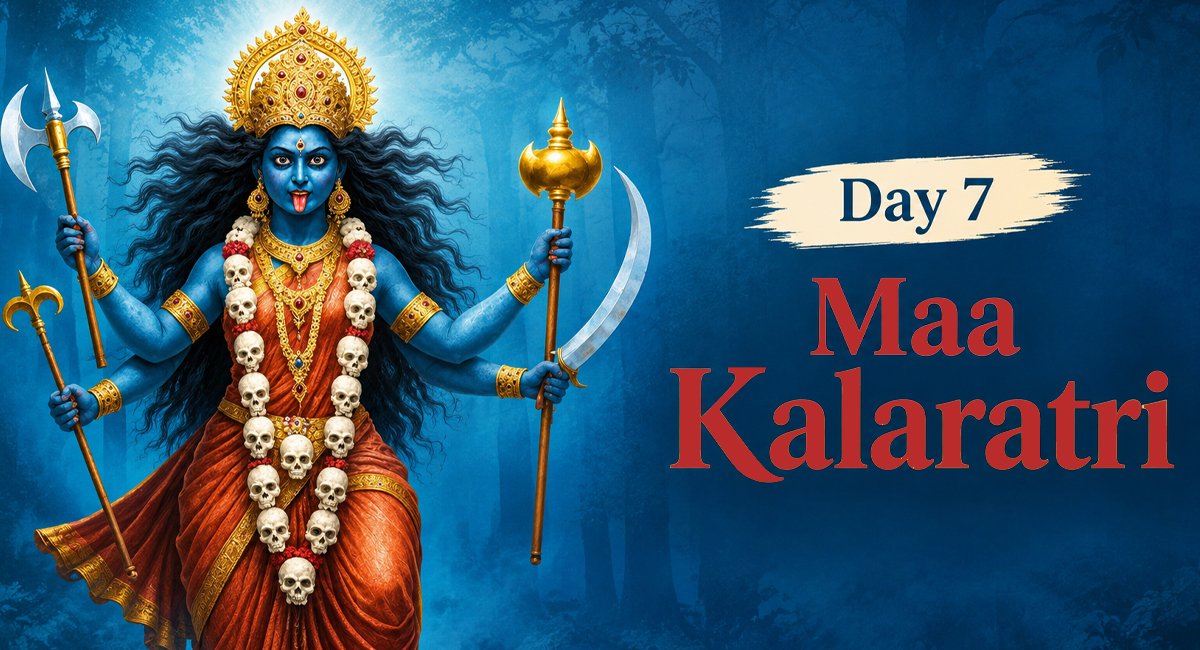
7. **Maa Kalaratri** –
This is a powerful form of Goddess Durga, associated with the destruction of
darkness and negativity.
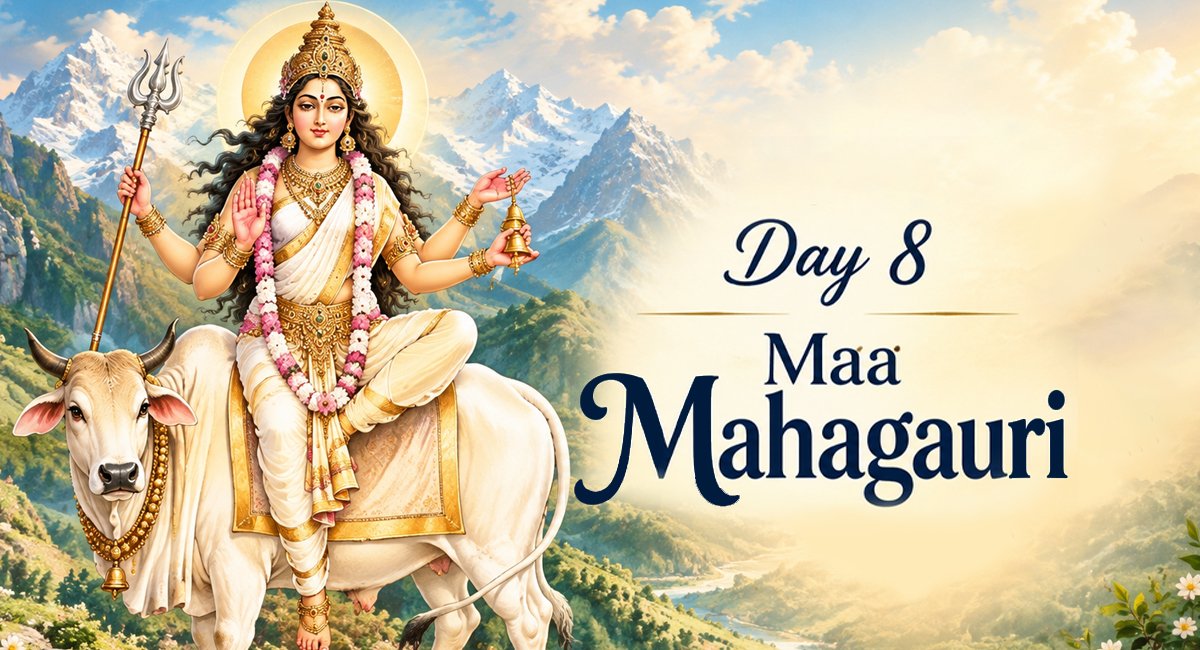
8. **Maa Mahagauri** –
Maa Mahagauri is a symbol of purity, peace, and calmness.
9. **Maa Siddhidatri** –
Maa Siddhidatri is worshipped on the final day of Navratri.
Navratri Fast And Pooja
During Navratri, many devotees
observe fasts. The rules of fasting may vary depending on family traditions and
personal beliefs.
During the fast, people commonly
eat fruits, milk, makhana, sabudana, and dishes made with kuttu and singhare
flour. Some people fast for all nine days, while others observe fasting only on
selected days. During the puja, devotees offer flowers, fruits, diyas, and
prasad to Goddess Durga. In many homes, people also recite the *Durga
Saptashati*, perform Mata Ki Aarti, and sing
devotional bhajans.
The Vibrant Celebration of Garba and Dandiya
As soon as we think of Navratri,
Garba and Dandiya also come to mind. Especially in Gujarat and other parts of
India, Navratri nights are famous for their colourful and energetic celebrations.
People enjoy the festival with family and friends while wearing traditional
outfits, dancing to festive music, performing energetic Garba steps, and
playing Dandiya. Today, Navratri Garba events are also organized at clubs,
residential societies, colleges, and community grounds across cities.
The
Significance of Kanya Poojan
At the end of Navratri, the
tradition of *Kanya Poojan* is also
considered very important. During this ritual, young girls are worshipped as a
form of Goddess Durga and are offered food, gifts, or prasad.
This tradition represents respect
for feminine energy and the divine form of Goddess Durga.
What Does
Navratri Teach Us?
One of the most important messages of Navratri is the victory of *good over
evil and positivity over negativity*. The story of Goddess Durga inspires people to stand with
courage, strength, and truth. It brings your family together too, in a modern world where no one
seems to have enough time for each other.
Navratri: A Beautiful Combination of Faith and Celebration
Navratri brings together devotion and celebration in a unique way. On one hand, devotees worship Goddess Durga and observe fasts, while on the other hand, Garba, Dandiya, music, and colourful outfits make the festival energetic and lively. Whether you celebrate Navratri in a spiritual way or simply enjoy festive moments with family and friends, the festival remains a *beautiful reminder of strength, faith, and positivity*.
Discussion & Comments (0)
No comments yet. Be the first to share your thoughts on this story!
Leave a Comment